A visit to the private museum — The LEGO® Idea House, where it all began
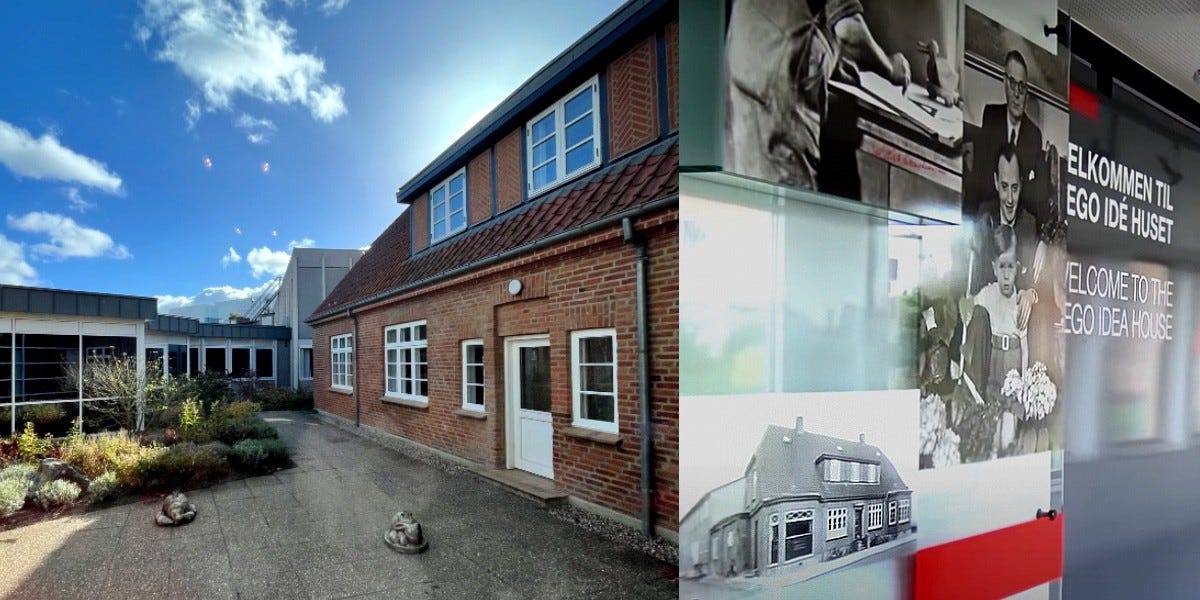
At the ‘Global Community Meet’ of LEGO® SERIOUS PLAY® Facilitators at Billund, we get the chance to visit the private museum — The LEGO® Idea House, only meant for the LEGO® group employees.
The LEGO® Idea House is diagonally opposite the LEGO® HOUSE. The founder, Ole Kirk Kristiansen’s family home, the old factory, and the company’s first administration building, ‘System House,’ are combined to create the museum dedicated to LEGO® and its history.
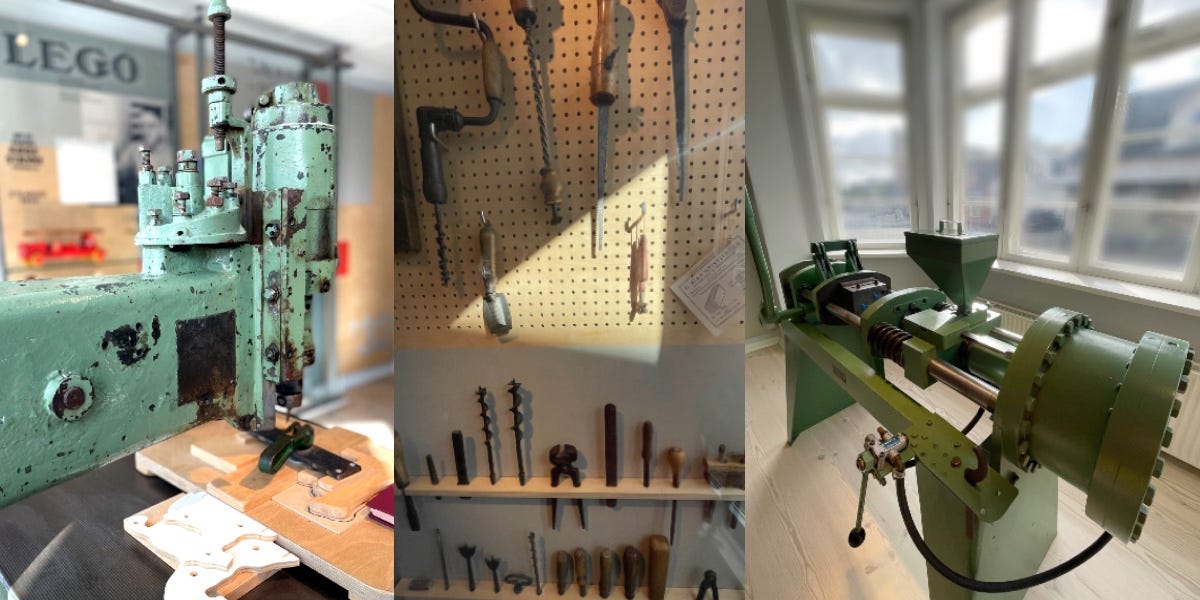
It was a unique opportunity, and as a LEGO® fan, it felt surreal as I set foot inside the museum. After years of reading about the brand’s history, I was finally standing where it all began!
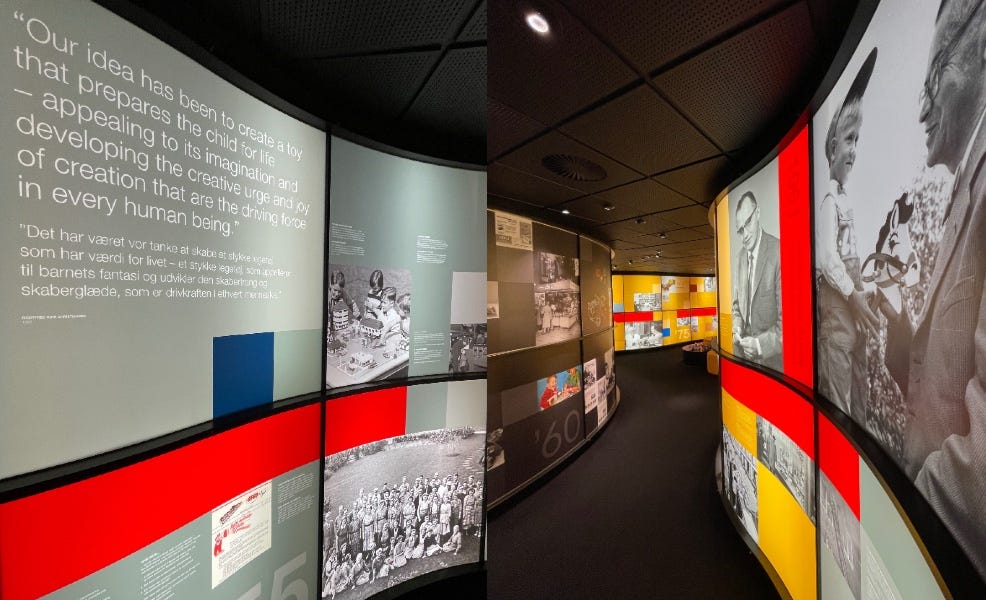
The museum narrates the story of LEGO®, from its humble beginnings in 1932 to the supreme toymaker it is today. The corporate historians walked us through the museum, furnished with old photos, machinery, and a plethora of LEGO® sets through the last 90 years.
Amidst the fascinating chronological display of the LEGO® sets, I felt that there were four prime ingredients for the company’s recipe for innovation — customer-driven, constant experimentation, risk-taking ability, andperseverance.
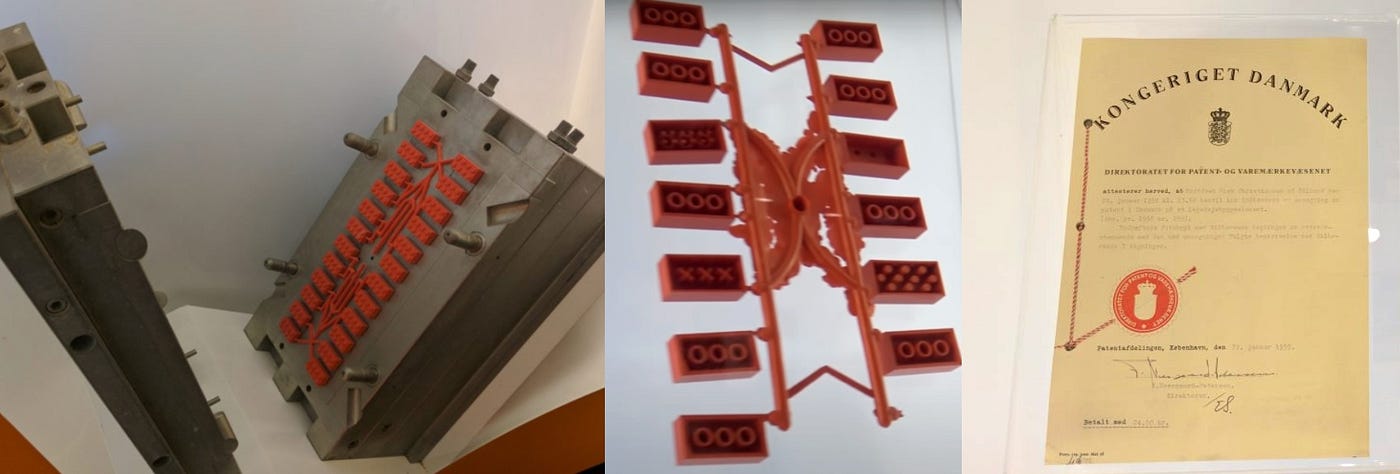
It took many failed experiments before they hit on the stud-and-tube coupling system to create the perfect “clutch power.” Today, the “clutch power” makes LEGO® so endearing to humans.
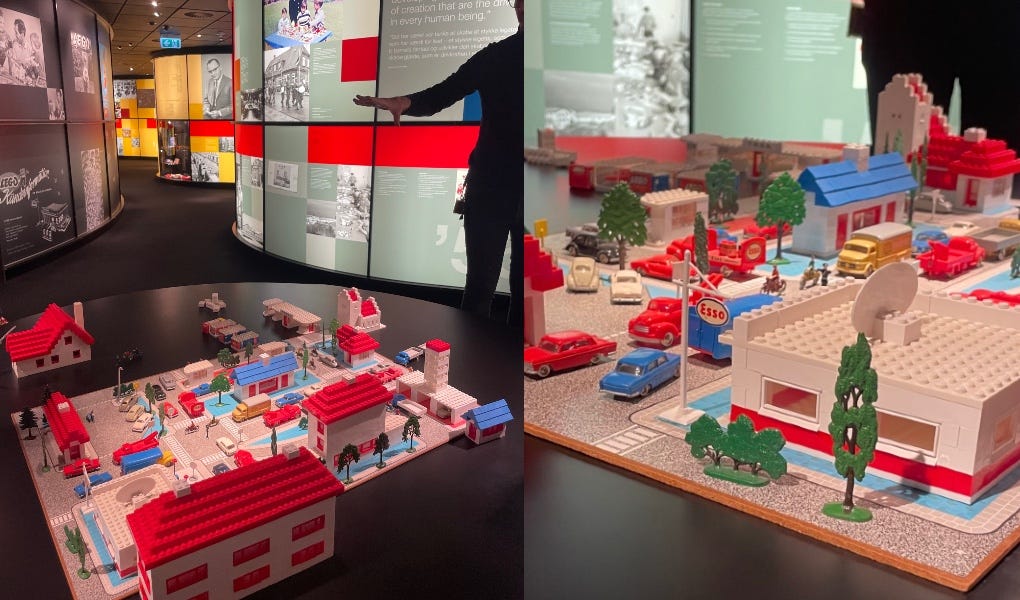
The company was farsighted and evolved from producing stand-alone toys to creating an entire system where the brick was just an unifying element. They built a cohesive system where the toys were interrelated. The more one buys, the more one can build! Rest is history.
The background quote read:
“Our idea has been to create a toy that prepares the child for life — appealing to its imagination and developing the creative urge and joy of creation that are the driving force in every human being.” — Godtfred Kirk Christiansen about the ‘LEGO® System in Play,’ 1955.
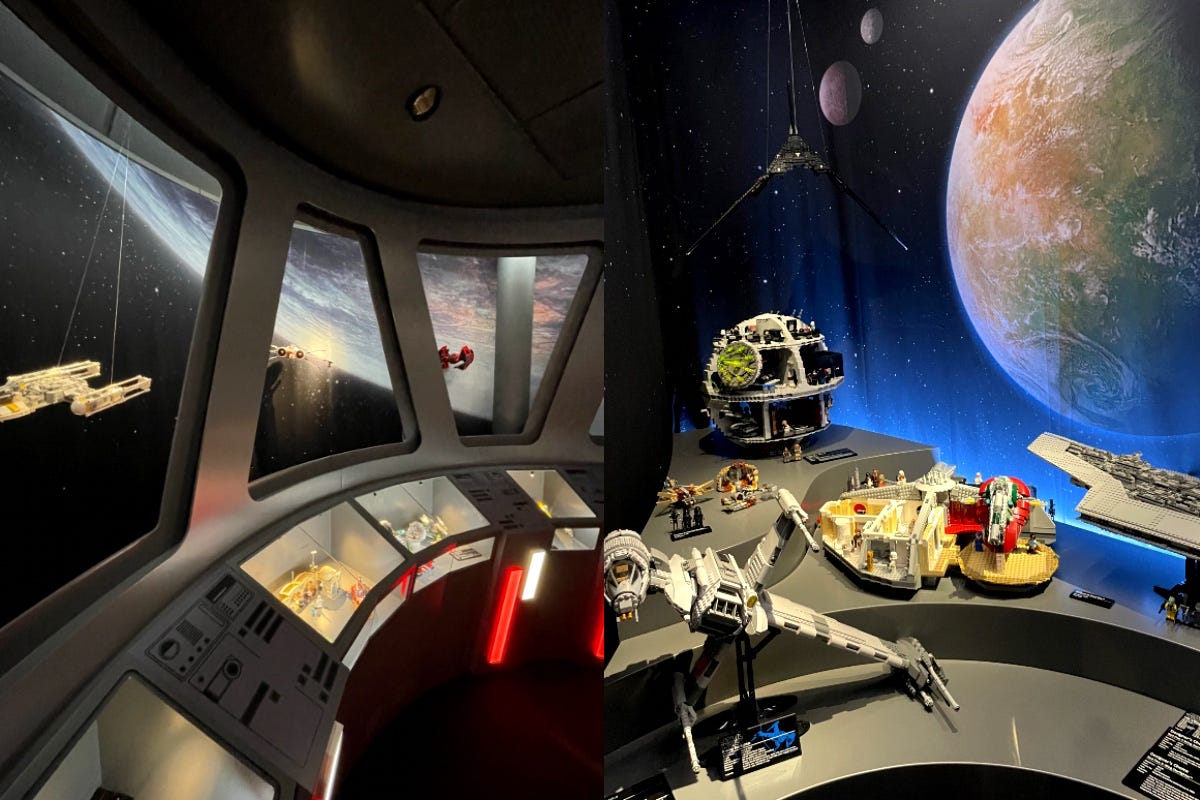
Each section of the museum has a story, a lesson, and an emotion. From the company’s success to the crisis, challenges, and remarkable recovery! After the one-hour tour, I felt like I had traveled through time with the iconic brand. The most delightful factor about this museum is that it is for the employees, and the corporate historians do regular tours with groups of employees. The employees ‘experience’ it all — from where it all began! The historian even mentioned a vault beneath the museum that exhibits LEGO® sets dating back to the 1960s. Any employee can access it based on business relevance. This immersive historic space communicates the passion and purpose behind the brand, making the employee emotionally committed. Instead of just cascading literature on the walls, they thoughtfully put up the company tenets along with a story that has meaning and purpose.
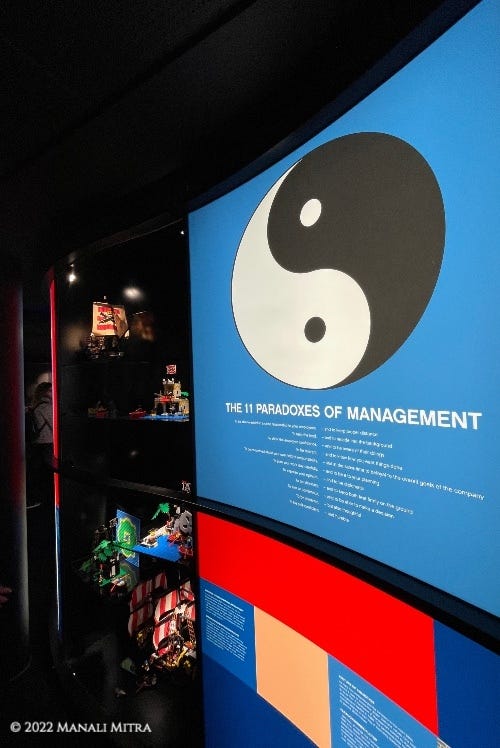
While leaving, a section of a wall with ‘Janusian Thinking’ caught my eye!
The 11 paradoxes of management
- To be able to build a close relationship with your employees — and to keep a proper distance.
- To take the lead — and to recede into the background
- To show the employee confidence — and to be aware of their doings
- To be tolerant — and to know how you want things done
- To be concerned about your own field of responsibility — and at the same time be loyal to the overall goals of the company.
- To plan your day carefully — and to be a to your planning
- To express your opinion — and to be diplomatic
- To be visionary — and to keep both feet firmly on the ground
- To aim at consensus — and to be able make a decision
- To be dynamic — but also thoughtful
- To be self-confident — and humble
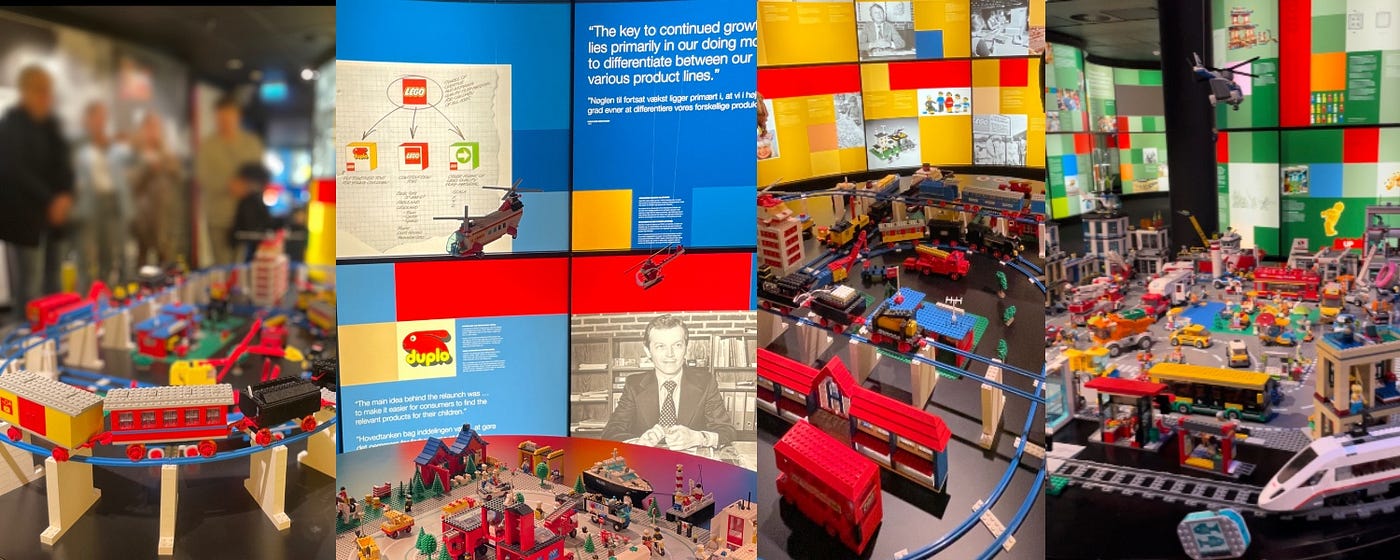
It was a meaningful, memorable, and emotional experience, steeping myself in the brand’s richness every minute of that hour. I hope companies start building such enriching experiences for their employees, immersing them in the company’s history and core values like LEGO® group.
“Logic will get you from A to B. Imagination will take you everywhere”
— Albert Einstein.
© 2025 Manali Mitra. All Rights Reserved.


Leave a Reply